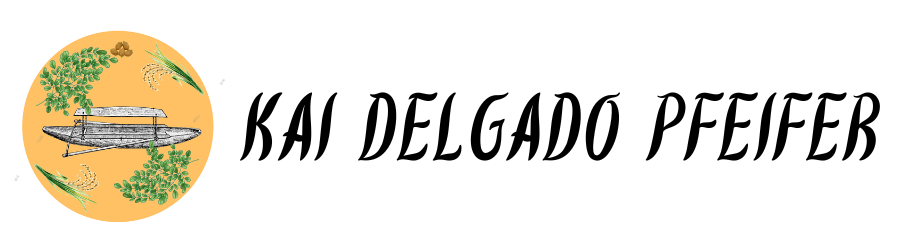
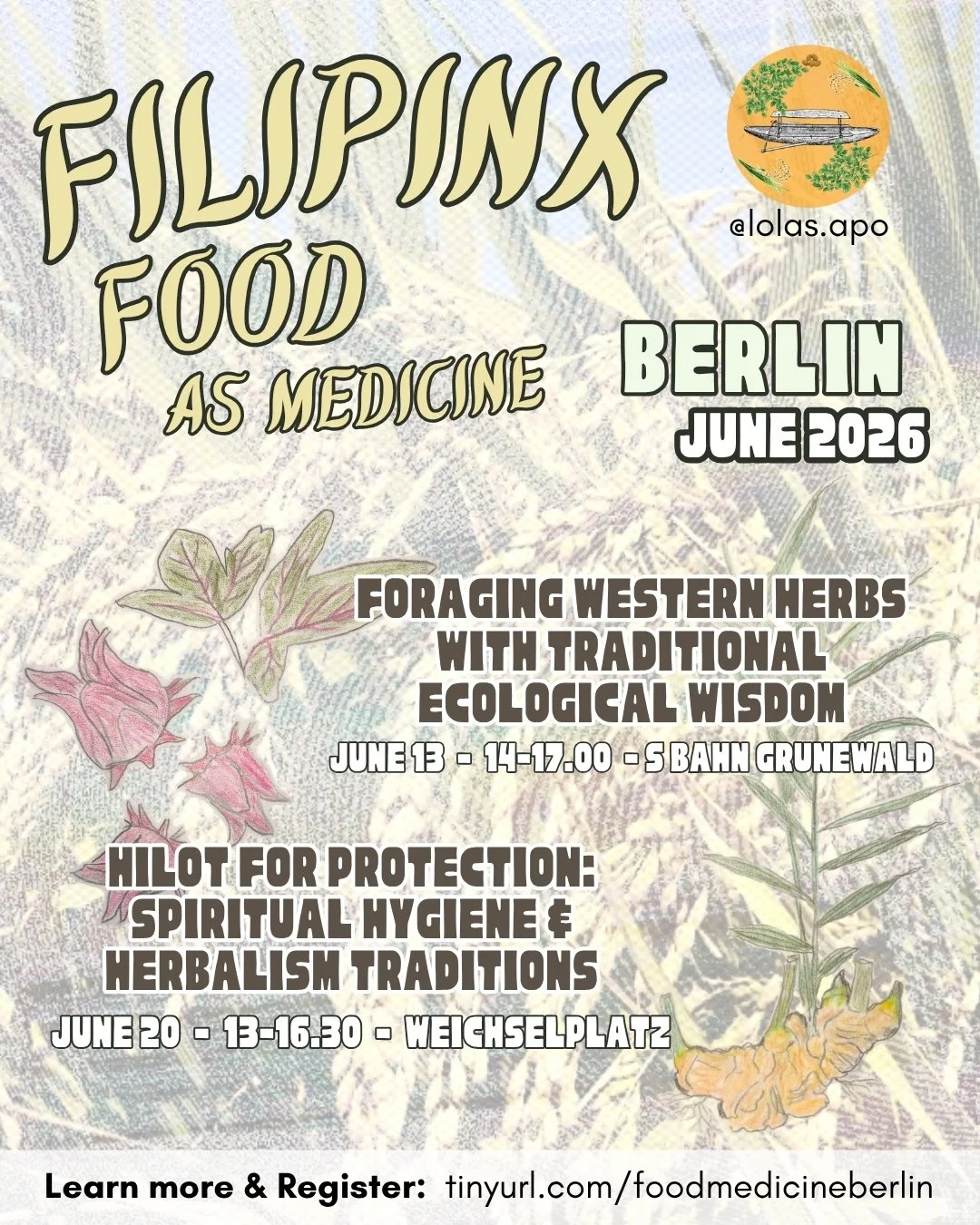
Filipinx Food as Medicine Berlin June 2026
Sliding Scale:
€ 25 - 100 per person
The true cost of this workshop, inclusive of materials, preparations, & facilitation, is 40 Euro.
We ask participants, especially those with privilege, to give what they can, in order to equitably compensate those organizing this space.
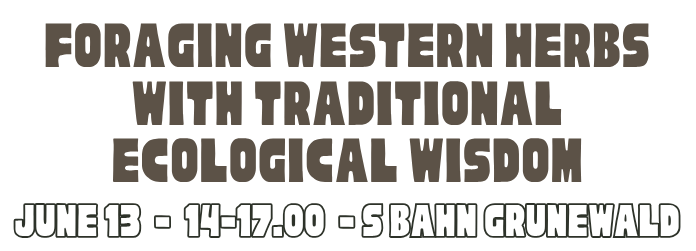
During this workshop, we will engage with western practices of Foraging and Herbal medicine wildcrafting through the lens of
Traditional ecological wisdom. Three common forageable plant-ancestors found in Europe will guide our journey: Mugwort, Yarrow, and Nettle.
The foraging component of our time will include topics such as: Plant ID, ethical harvesting, doctrine of signatures, and ethnobotany. During the remainder of our gathering, we will be guided through hands-on foraging of the guiding plants in preparation for on-site herbal medicine crafting. After gathering our medicines, we will make three different herbal preparations and discuss their unique uses. 1) Tincture (alcohol spirit based extraction), 2) Infused vinegar (vinegar based infusion from Philippine heirloom vinegar), and 3) Smudge smoke bundles.
Participants will be able to take home 1) a small jar of their chosen liquid extraction method and 2) a smudge bundle made by yourself. All wildcrafting materials (jars, extraction materials, string) will be provided. Participants are required to bring their own harvesting basket/bag and scissors.
Sliding Scale:
€ 25 - 100 per person
The true cost of this workshop, inclusive of materials, preparations, & facilitation, is 40 Euro.
We ask participants, especially those with privilege, to give what they can, in order to equitably compensate those organizing this space.
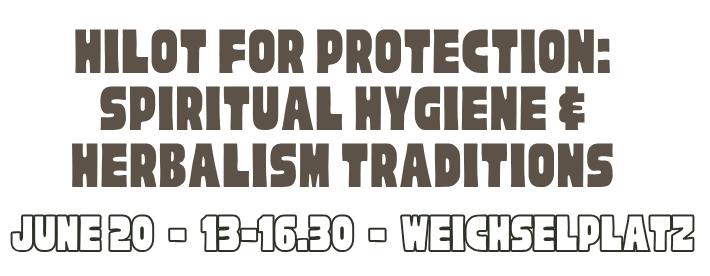
Join us for an experiential workshop focused on herbal based self-care practices within Hilot. Hilot is a Filipino healing art that uses massage, body manipulation, energy balancing, plant medicine, and spiritual rituals, to restore physical, mental, and spiritual harmony. This workshop will focus on Pagsasala (heating of leaves for warming the body), Suob (steam based herbal cleansing), and Pagpag (energetic field sweeping). Our practices will use a combination of ingredients sourced in the Philippines and local Berlin asian stores.
At the end of our workshop, participants will feel more comfortable practicing simple, ancestrally relevant forms of spiritual hygiene & intention setting. The workshop will consist of experiential/hands on teaching followed by optional partnered practice where participants can fully experience the techniques demonstrated. Everyone will leave with a printed out resource sheet with offerings such as prayers, recipes, and deeper explanations of concepts shared during the workshop. Students will also go home with a self-crafted herbal smudging/sweeping bundle.
Filipinx Food as Medicine workshops are open to all, with priority given to BIPOC participants. White participants are invited to part-take with the understanding that the space will be centered around the learning needs and historical wisdom of BIPOC participants.
As part of it’s commitment to Disability Justice, indoor Filipinx Food as Medicine programming have a Masks strongly encouraged policy. KN95 masks will be provided upon arrival. Participants are welcome to unmask during eating / drinking portions of the workshop.
Classes are limited to 15 participants
These classes are for you if you want to:
Reclaim ancestral practices of traditional cooking and herbalism
Reorient to cycles of the earth through ritual, mindfulness, and awareness of the elements in our bodies (earth, air, water, and fire)
Take the fruits of your healing and share them with friends & family
Contextualize your own healing in larger processes of collective liberation
Cultural Protocol:
Each gathering will consist of intentional grounding where we will collectively contribute to a shared sacred space or altar. Suggestions for how to contribute to this will be sent to participants closer to the event date. We will open and close our circle by making offerings to nature spirits & ancestors as a gratitude for the gift of this medicine.
Instruction style combines formal and informal teaching. While there will be demonstrations of specific practices, the rest of our time encourages communal storytelling and reflections throughout the workshop